
Oh dear

Saturday morning Australia time and the greatest AI model yet was turned off at the behest of the US government.
The story runs roughly like this. Someone at AWS (Amazon) reported to the USG that they had hacked the security controls of Fable (enabling it to penetrate IT systems or at least to explain how to). This story was then confirmed by the National Security Agency. So, Anthropic was summoned to explain or fix it. Sadly the CEO of Anthropic was unavailable as disaster unfolded because he was at a wellness retreat with his phone turned off (which Anthropic denies, which makes me think it’s true. Why deny it?).
Anthropic has a different view on the vulnerability than the USG, so they declined to turn off the model. The USG then issued an export control directive forcing them to do so. It’s awkward because it requires that no foreign national use the model whether or not they are inside or outside the US, which includes (a lot) of Anthropic employees. The only way to comply was to turn it off completely, which they did.
Export controls and technology are not new. Famously they were used for PGP encryption and the inventor of PGP Phil Zimmermann was placed under Federal investigation in the 1990s for releasing it. Now of course it is embedded in nearly every piece of software out there (including Bitcoin). This book tells the story of Zimmermann’s fight with the USG on the topic. In the end PGP won, and for that reason your messages on encrypted platforms (like WhatsApp) are actually encrypted. Hence the continued attempts in the UK and EU in particular to build back doors into them.

Now we are back. Anthropic seems to be at war with the government ever since their refusal to share their model for war fighting purposes.
Just like PGP though, there is no way back. The genie is out of the bottle, in six months’ time the open source models will be as good as Fable is now. Anthropic will have an even better model, presumably even more restricted than the latest ones.
Knowledge finds a way though. It’s a big moment for America. Either they let the technology run free or they don’t. China’s models are six months behind and every week we don’t have Fable they will likely get closer.
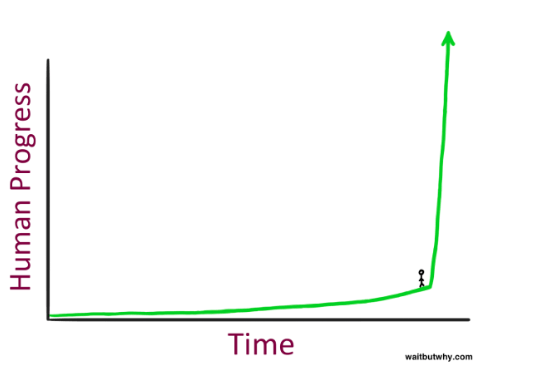
We’re climbing this curve fast now, the ban on Fable is just the beginning. So many people are going to be upset or offended by AI. The lack of general outcry about the Fable ban may be because many people are quietly more comfortable with others not having it because it makes life less competitive and easier.
High and growing
“Compound interest is the eighth wonder of the world. He who understands it, earns it… he who doesn’t… pays it.”
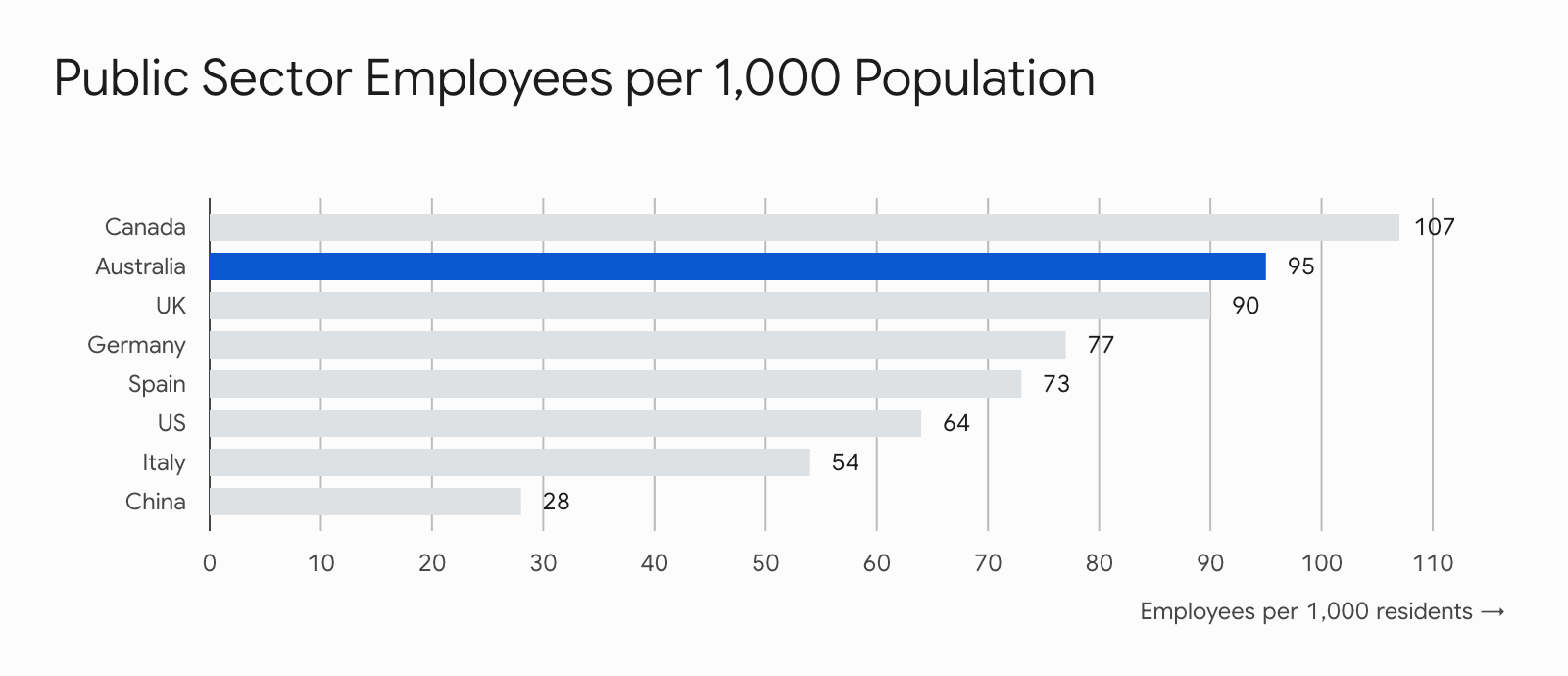
This chart mostly derives from healthcare. The more ‘free’ the healthcare, the larger the public sector is as a percentage of the economy.
To be fair to the Australian government, they have had a policy of using their own staff to do work rather than farming everything out to the big consulting firms, many of whom have been mired in scandal recently. So the 48,000 new Federal employees may in fact be saving us money, however unlikely it seems. What is more concerning is the growth; Australia has just rocketed into the premier league of state employees. The UK economy has performed terribly since it got there, Canada also. Germany is slowing quickly as its state ranks grow.
What is more surprising is the lack of vision, while mired in bureaucracy and designing even more of it. Something enormous is happening, a multi-generational shift in the way we do things, and Australia is almost totally absent from involvement or participation, so is the UK, so is Canada. All the resources being invested in healthcare, when the single thing that will be the biggest contributor to improved healthcare over the next 50 years is ignored.
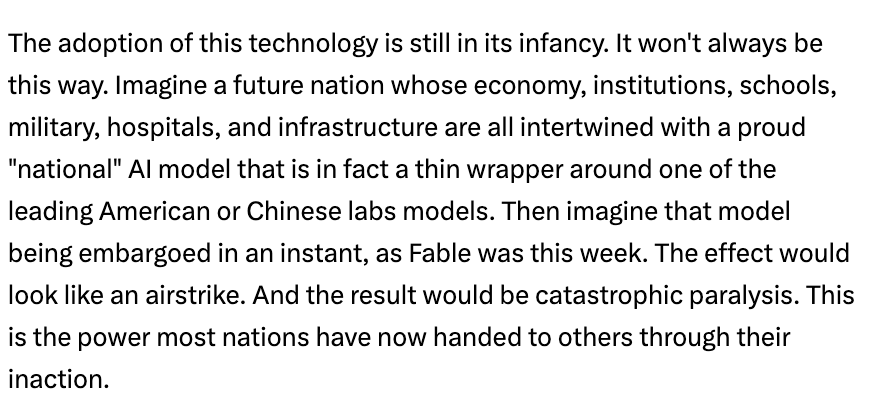
This is already Australia. AI penetration is very high here. Nearly 50% of us have used it or do use it and yet, the best model, the one we were all so much in love with last week, is gone. Our near total reliance on an overseas derived technology, which in three years or less the economy will be completely reliant upon, does not register at all.
Why is this particular technology shift different? Because it will control our rate of change, if you have the best model, the rate at which you change things is higher. Anything inferior even by a small amount sees you fall further and further behind.
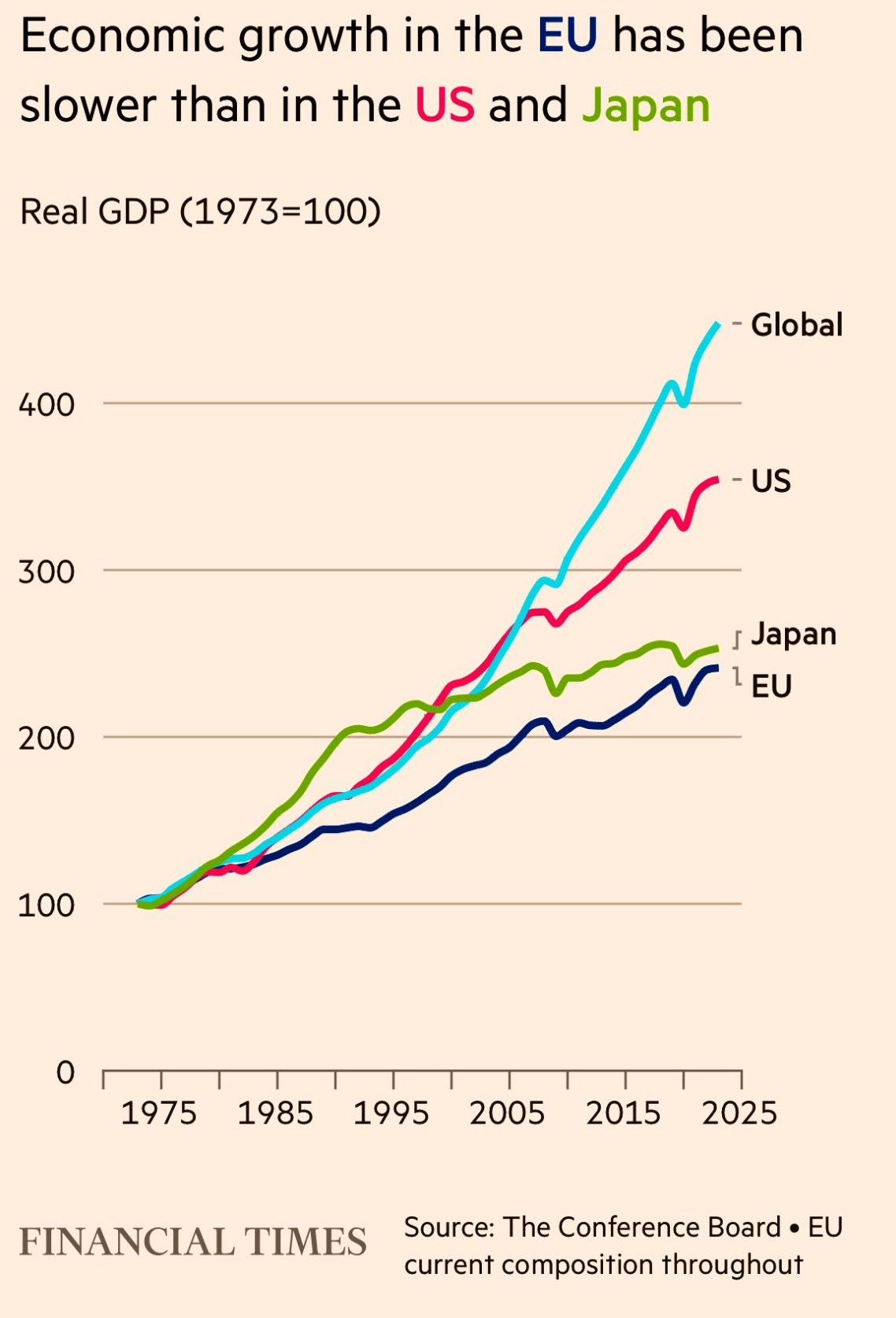
On current projections the GDP per capita in Europe is expected to be US$53,000 by 2030. In America that number is projected to be US$108,000. The per capita numbers were about the same just over a decade ago. The issue is not that the American chart has been historically steeper, we know that and we mostly accept why. It’s that the difference is about to get even bigger.
Looking for signs
One of the defining moments of the last few years was the $100k moment. It was exciting, but I also knew it would be difficult. I wrote about $100k here and it arrived here. It prompted a lot of movement in coins over the 18 months that followed.
That flow of old coins has ground to a halt over the course of 2026. 79% of BTC’s circulating supply is now held by long-term holders, a new all-time high that reflects continued accumulation.
Our long association with the bitcoin supply curve has taught us one thing: they aren’t making any more of it.
Alpha in strange corners
This is from Lee Roach, not exactly a household name, but he happens to write interesting things on his Substack. He found a copy of The Intelligent Investor and read it in his lunch breaks at a factory he worked at in Midwest America. Accordingly, his musings are free of the PR department fear that cripples all major research houses.
His latest essay is just another iteration of ‘financial repression’ that has been discussed many times here over the years. Financial repression does not mean you have to get poor. It does require you to understand the rules of the game though. The shorts will have their moment in 2026, and again in future. They won’t outrun the debt spiral though.
“I do not understand, in 2026, why anyone is shorting anything, and I have, over the last several years, watched a generation of intelligent, well-credentialed, technically sophisticated investors set fire to their capital on the short side of a market that has been telegraphing its direction with the subtlety of a marching band, and the only explanation I have ever been able to construct is that none of these people have read a single page of monetary history written before 1990.
The setup is not subtle. The federal government is running a 7% structural deficit with no political coalition in either party willing to address it. The Treasury is issuing debt at a pace that will push publicly held debt-to-GDP past 130% within five years, which is the level at which, historically, every government in recorded history has either inflated its way out, defaulted, or both. The Fed is, regardless of what it says in public, the marginal buyer of that debt, and the only mechanism it has to fund the purchases is the creation of new dollars. The money is being printed. The debt is being monetized. The currency is being debased. And asset prices, which are denominated in the currency being debased, are doing the only thing they have ever done in any country that has ever tried this, which is going up.
Every country that has run this experiment has produced the same chart. Weimar Germany in 1922 and 1923 produced one of the most violent equity bull markets in recorded history in nominal terms, as the mark collapsed and the Berlin exchange repriced upward by orders of magnitude. Argentina, across four separate inflationary cycles since 1975, produced in each cycle a nominal rally that outran every short thesis published, while the peso lost 99.9% of its purchasing power. Zimbabwe in 2007 and 2008 produced an equity market that rose so violently the exchange had to be closed because the calculations could not keep up. Turkey, right now, in front of the entire world, has produced a Borsa Istanbul up 1,400% in lira terms while the lira has lost 85% against the dollar, and every short of Turkish equities has been carried out in nominal terms even when they were right in real terms.
The lesson is not that asset prices are going up because the businesses are getting better. The lesson is that asset prices are going up because the unit they are measured in is getting smaller, and any investor who positions short against this dynamic is betting against the will and capacity of a government to debase its own currency, which is the single most reliable bet you can lose in 4,000 years of recorded monetary history. The government always wins. The government always debases. The currency always loses purchasing power. The assets always reprice upward in nominal terms, on a path the shorts always insist is unsustainable and that always, somehow, sustains.
You can short individual frauds. You cannot short the market. You cannot short the currency itself without being on the wrong side of the largest force in modern capital markets, which is the slow, politically inevitable destruction of the dollar’s purchasing power against everything that cannot be printed. The shorts have been wrong for five years. They will be wrong for the next five. The only investors who will, in real terms, preserve and grow their wealth are the ones who understood, early, that the game is not about being right on valuation, it is about being on the right side of monetary debasement, and the right side has always been owning real assets, productive businesses, scarce commodities, and the one monetary metal that has functioned as money continuously for 5,000 years, while the people on the other side continue to insist this time is different. This time has never been different. The math is the math. The shorts will continue to lose. The owners will continue to win.”
SpaceX
One week in. Tidal waves of criticism for retail investors who are pouring into SpaceX at ‘insane valuations’. We might be missing the point though.
Do you believe that we will have solar powered AI satellites orbiting the earth and blasting intelligence back in our direction in the next five years? I do.
What about self-replicating machines, such that we have robots building more robots in space? Next 15 years, yes. Possible.
People want to be part of something exciting. No national government provides this type of vision for the future. Not one nation even comes close to matching Elon’s ambition. For US$200 you can go on the journey with them, just for fun. I think that’s what people are doing.
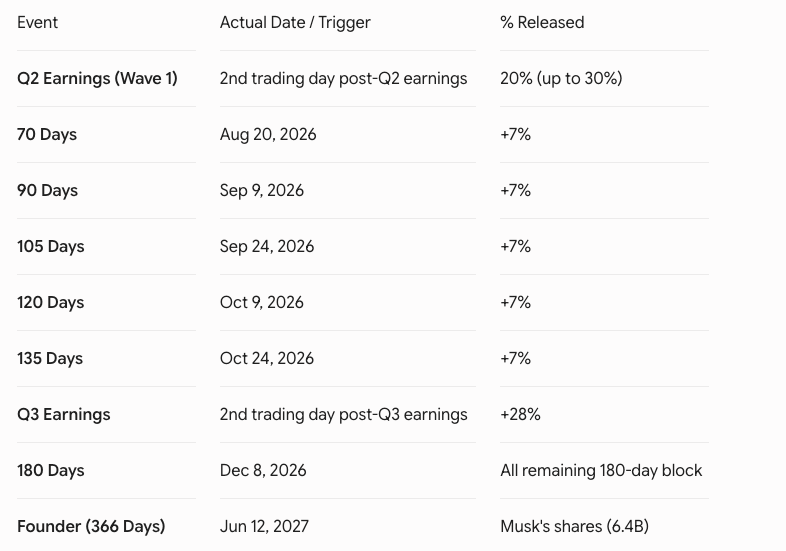
Looking at the unlock dates for shares tied up in the float, there might be better opportunities than now to jump on the rocket ship though.
Euro-Trash
…because the war
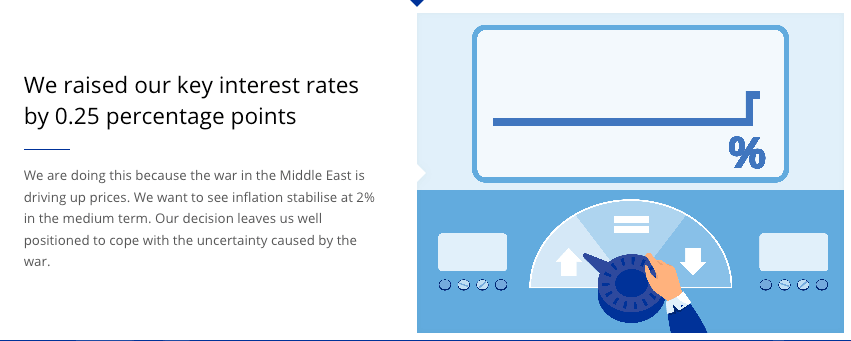
…because the war

…because the war
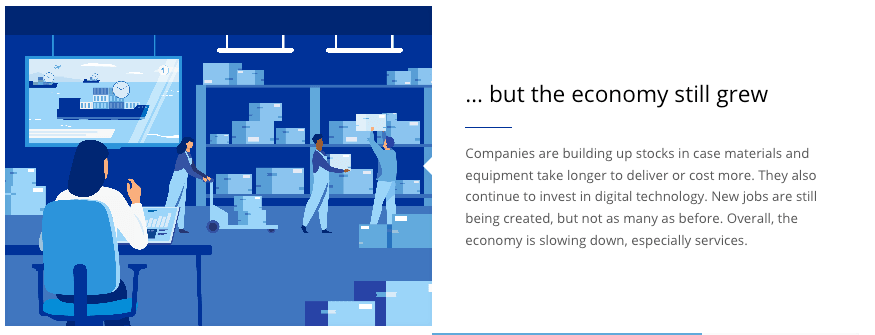
…because the war
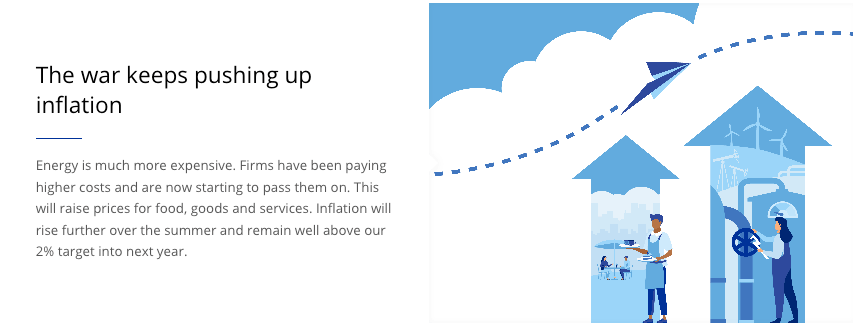
To be clear then. A war, which Europe is neither participating in nor proximal to, is the cause of the rise in interest rates.
It is not because Europe does not have and declines to produce its own energy.
It is not because regulation prevents the automatic correction of these issues through the free market.
It is not because the European Union is a failed bureaucratic experiment.
“Much higher energy prices are eating into people’s incomes” & “Overall, the economy is slowing down, especially services”.
So…we raised interest rates?
