5.5
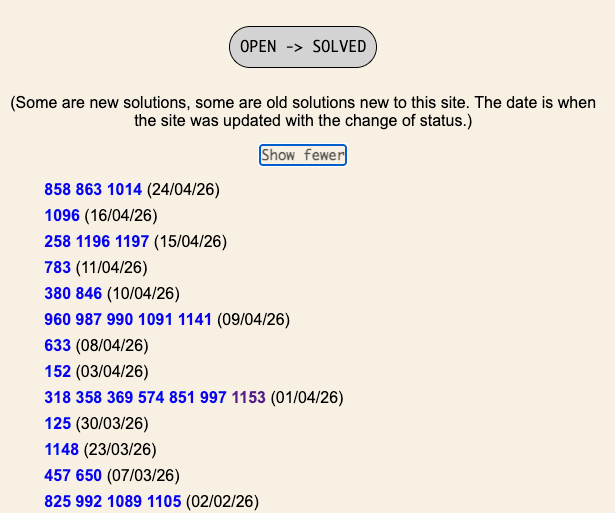
First we got GPT 5.5, which has spent the last week proposing all manner of solutions to the Erdős Problems. Terence Tao described one of the solutions as a “meaningful contribution”. He is a notably hard marker when it comes to AI and mathematics, so his comment distills to very high praise indeed.
Then we got DeepSeek v4, which is completely free and open-source and about as good as GPT 5 was. It’s also massively cheaper (an order of magnitude in fact).
Personally though, I feel we are now at the point where a new model comes out and I do not notice the difference. I’m not doing anything close to hard enough to prove to myself it is better. Yet, I do notice the cost. Claude Opus is super expensive when used extensively. GPT 5.5 is next, then by far and away the cheapest frontier models belong to Google. For the first time since the whole AI boom, I am now choosing models based on how expensive it will be overall or how much of my quota it will use.
The key metric then is intelligence per watt (known as IPW). Absolute model quality seems less important now, they are all good enough most of the time. How many tokens it uses, and what it costs, are much more important.
I think Google is winning that race. Even though their models are nowhere near as ubiquitous as OpenAI and Anthropic, they are still winning because of the efficiency of their models. 25% of the world’s compute is controlled by Google. They train their models on chips they design themselves, running models they trained themselves, using the algorithm for AI that they designed and open sourced for everyone. Their results this week speak for themselves, OpenAI missed their targets, Google did not.
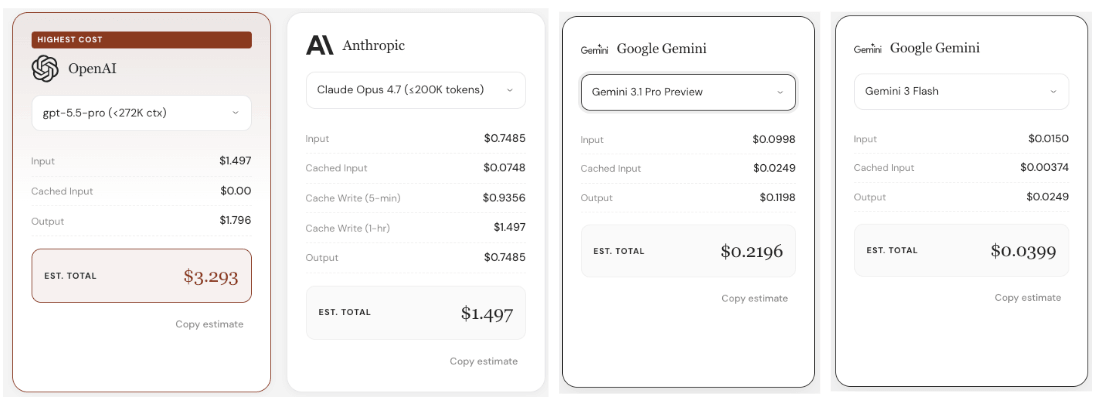
I ran the following test to compare the absolute cost of different models. I gave the entire book of Genesis to each of them; the task is to provide a summary of Genesis at 20% of the original size. The latest and greatest model costs $3.23, nearly 100x the cost of Gemini 3 Flash, which cost 4 cents and would be suited to this task.
Most people wouldn’t use 5.5 Pro for something like this so perhaps its misleading but the difference in price is huge. Model choice is a real thing, to have an entire company bashing away on 5.5 Pro is going to get much too expensive. The overwhelming majority of tasks can be done on much cheaper models and indeed, as we progress, they will be done by models locally on your machine.
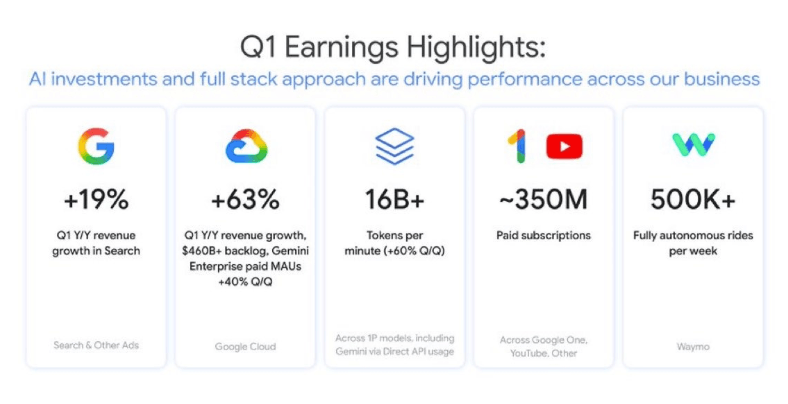
Why does it matter? We are now seeing certain models are only available to people who are on the top subscriptions. Anthropic offered access to their best models for $20/month until this week. With minimal fanfare that has now been severely restricted to the point it is almost unusable. Any task just crunches through the allowance very quickly. You get a taste, but then you need to hand over $200 to finish the job. The gigantic venture capital subsidy will likely have expired by the end of this year.
The general view is that AI will democratise intelligence. Yes, but perhaps it occurs only up to the level of your own capability. When GPT-4 arrived, I could instantly tell the difference. It was life changingly amazing compared to the 3 series. GPT 5.5 though, I can’t tell. It’s beyond my skill level, so it’s AGI to me. 99% of users are on lower tier or free plans, they don’t use the frontier models anyway, why would they?
So, is it democratisation? Probably not. 1% of the world has the best models, probably 1% of those people have them fully harnessed and working day and night on a task worthy of the intelligence in the model. It’s a tiny group then that has the access and the knowledge to make the most of this but with effort, you can be in that group.
Worth mentioning too that OpenAI revealed the 5 series models themselves are helping the creation of newer versions, so release speed is accelerating. We have had a new Open AI version every month recently. In theory then, we are 25% of the way through the lifespan of GPT 5.5 as a frontier model. Already. I have used it twice.
It is clear to me that everything I thought of in the past few years that would be fun or helpful to do with AI was trivial. My ambitions for it 18 months ago were just ridiculously low. It’s quite a difficult thing to scale ambition up an exponent. What conceivably could I come up with that is beyond my imagination, beyond my intelligence level, and likely to be something AI could achieve in 18 months if I lay the groundwork now?
Difficult question to answer. I’ll ask AI.
Strategic Bitcoin Reserve
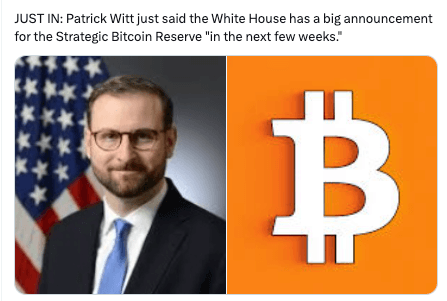
Patrick is the ‘Executive Director of the President’s Council of Advisors for Digital Assets’. I won’t hold my breath on this one, there have been a few flat announcements on this topic and it is largely irrelevant.
Looking at countries that hold Bitcoin, the US is number one. The majority of its stash being those assets taken from criminal proceedings. Likewise in the UK and China. Bhutan on the other hand has mined its way to their holdings and El Salvador famously buys one bitcoin every day. These countries are long term holders. So, the bitcoin they hold is already a strategic reserve. Calling them that formally won’t make much difference other than a few days of headlines.
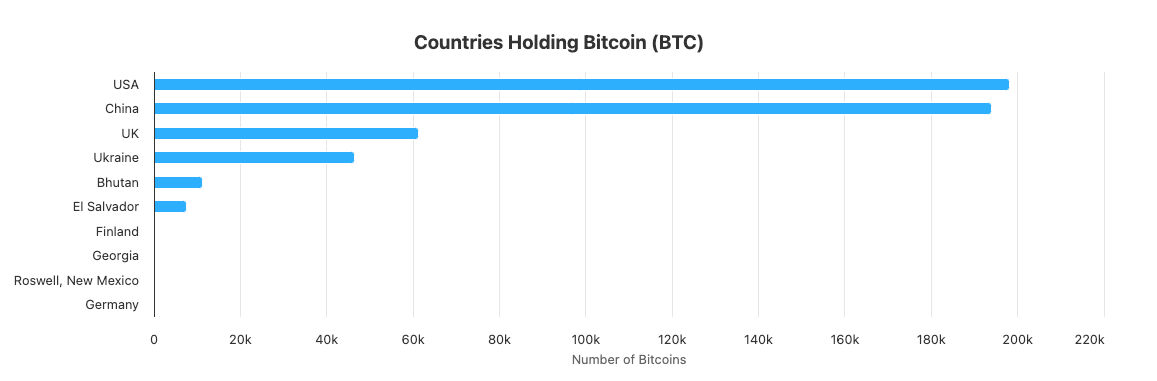
Is it curious that the USA has slightly more than China? They did sell some Silk Road coins at one point but only so many that they were still the number one. Would the US buy more if China did? Yes I think they would. What this also excludes are those national holdings that are not direct. The UAE sovereign wealth funds also indirectly own a lot of bitcoin (strategically, of course).
What is strategic anyway? Corporate entities normally put their strategy on PowerPoint decks with great pride but they mean nothing. Strategy is ultimately what you choose to do. The countries above all HODL. It’s strategic already and it has been for a long time.
Creeping upward
In 2022 the UK bond market had a tantrum, you can see the sharp spike below, which ended the career of then Prime Minister Liz Truss. They never really recovered, and 10 year bonds recently resumed their upward march towards 5% and beyond.
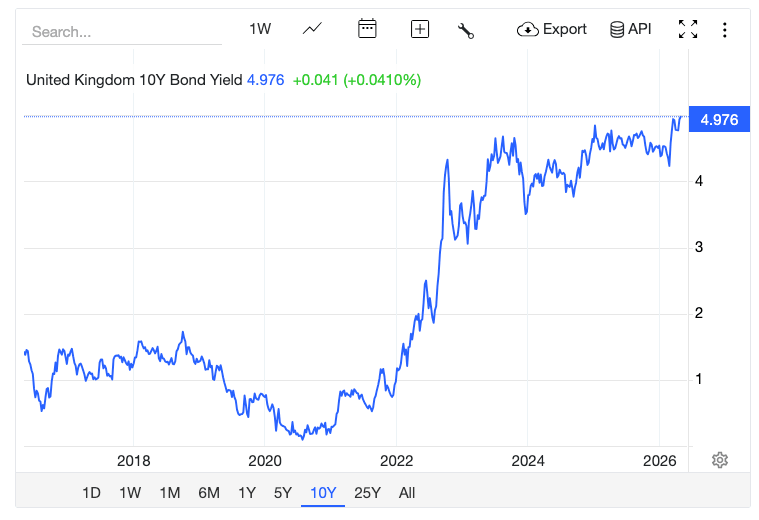
This time around it’s the fault of the Iran war. The market seems well aware that the UK is entirely import reliant for much of its fuel and energy needs. As a consequence, inflation is back on the scene. The issue is not so much that prices might rise, rather that the market correctly anticipates the government’s response to it.
A long term plan to produce more domestic energy would be one thing; that is not what happened. The government announced a package titled “Decisive action to break the influence of gas on electricity prices”. The clever plan is here.
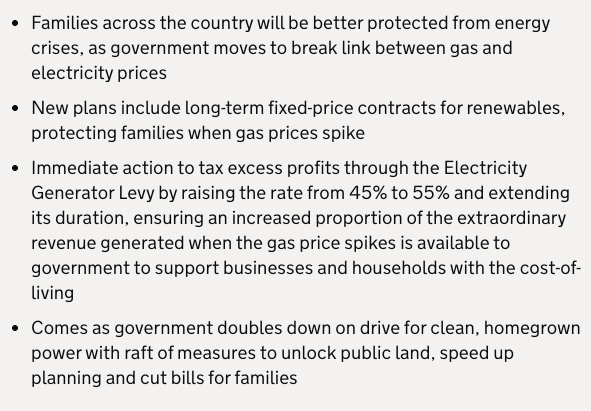
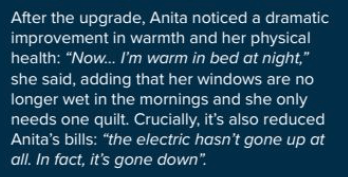
Up to £9,000 to remove existing oil heaters from rural properties and replace them with electric heating. “Investing” £1.2 billion to upgrade 100,000 social homes over the next 2 years. Much of this was laid out in January’s “Warmer Homes”. It’s a 154 page thriller available in four different web formats and hard copy on request (also available in Welsh). On page 86 I found Anita from Grimsby. Thanks to the changes the government made to her house, she is now warm in bed at night. Needing, as she puts it, “only one quilt”. Success indeed.
The peak madness though is the taxation leap from 45% to 55% on “excess profits” of power companies. Some gas power companies do indeed make large profits when the gas price spikes, but that was very much their plan from the beginning. It was a simple calculation that there would be moments when renewables just don’t work and the gas price goes to infinity and they make a fortune. That was the sensible calculus of those operators, who will now simply provide less gas, or no gas at all. An alternative way of describing this, is that when all else fails and you really need power from somewhere, that’s the energy that will pay the 55% tax. It isn’t that hard to work out what will happen to its price then.
Why is any of this of interest to us though? Well, these types of policies have consequences that last decades. Just ask Germany. The UK bond market has worked out its deficits and low growth as far as the eye can see. The simple reason being that the government’s response is nearly always to spend more, or tax critical suppliers and pretend that windmills are somehow modern and efficient. There is no focus on domestically sourced supply.
Incidentally, we are two weeks away from local elections in the UK (7th May). They will be catastrophically bad for the incumbent government and Sir Keir, already a dead man walking, will likely be replaced. You might imagine that could change the trajectory a little but that is very unlikely.
The favourite to replace him (if he goes) is Angela Rayner. If she makes it, I will certainly salute the effort given her background, it’s quite the story.
The bond market might have a different view though; she will spend like there’s no tomorrow.
Inflation
It’s Iran’s fault, the inflation. Except that real wages in Australia have been falling for a long time, since about 2021. Naturally, Covid era was no good, but now the fall resumes. Using CPI and my own calculations I have real wages about 4% below 2016 levels.
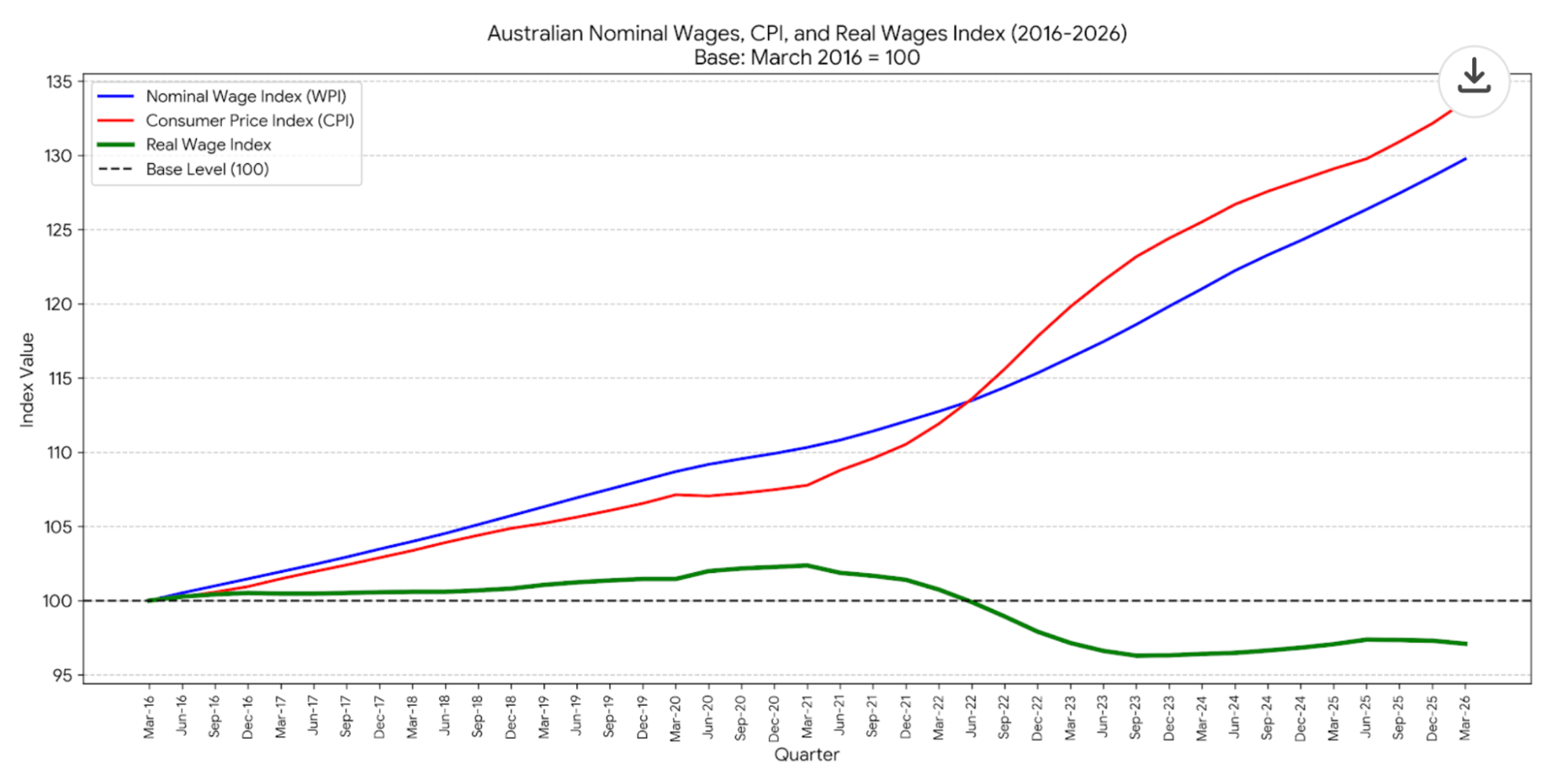
How could they not be? Anything I could want an employee to do in a white collar role, I can reasonably get an AI to do. It’s not easy but who is going to pay $150,000 a year for something you can organise in a week?
Why do we have truck drivers, driving in the dark up and down Australia when machines could do it far better?
Why do we have train drivers at all?
Every opportunity to massively enhance productivity is denied in this country. So wages collapse, and they will continue to. The way to make wages rise is simply to mix the maximum amount of capital with the minimum amount of labour, that minimal labour then attracts a huge premium. “But only three people will have a job”. No, that’s not what happens. Indeed, with only a small amount of imagination you could probably be operating a uranium mine from your bedroom, while directing billions of dollars of capital with software; but you won’t be allowed to.
Euro-Trash
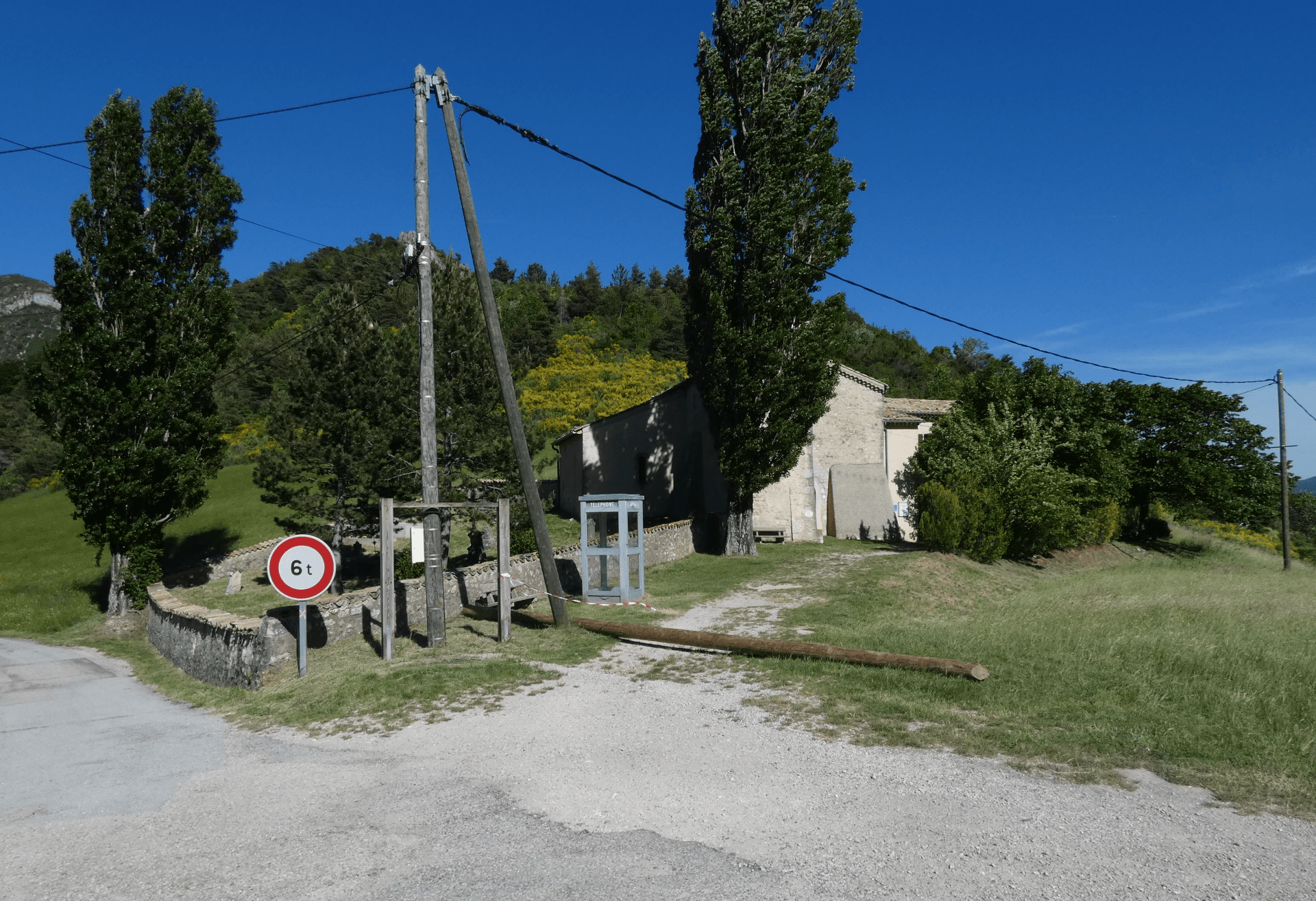
This is the village of Rochefourchat in the south of France. It is France’s smallest municipality. Complete with its own Mayor, budget and local council. As wikipedia puts it “The permanent population of Rochefourchat consists of one woman, Josette”.
On its own, this village explains many of the following statistics about France.
57% – the public spending rate as a share of GDP, the highest rate in the world
45% – the compulsory levy rate on GDP (taxes). #1 or #2 worldwide depending on the year
120% – French public debt as a share of GDP. Top 3 in Europe
5% – annual deficit of the French state relative to GDP. The state spends 10% more than it collects
6 million – the number of civil servants in France
21% – the percentage of civil servants relative to the total number of employees. Highest rate in the OECD outside Scandinavia
13% – public pension spending as a share of GDP. The highest rate in Europe
31% – social spending as a share of GDP, the highest rate in the world
11% – public health spending as a share of GDP, the highest rate in Europe
70% – the percentage of French households eligible for public housing
1% – the average growth rate of the French economy since 2012, one of the lowest in the world
61% – the ratio between minimum wage and median wages, the highest rate in Europe
30 – the average number of paid vacation days, the highest number in the OECD
600,000 – the number of elected officials in France
28th – France’s PISA ranking, whereas France was 12th in 2000
50 billion – annual debt service spending. 2nd largest budget item for the state after education, excluding social spending
600,000 elected officials! That is because any locality with more than seven residents qualifies to be a Commune. France has 35,000 of them. Not all the positions are paid but everyone qualifies for expenses for the trouble of running the office.
The Mayor of Rochefourchat is a man called Jean-Baptiste Le Moyne de Martigny. He is actually a Parisian lawyer. He owns property in Rochefourchat (one of the village’s few houses is his second home), which legally qualifies him to run for the local council. It’s a genius move from Jean-Baptiste because the travel expenses to his holiday home are naturally chargeable to the French state. Every time he goes there he holds a council meeting with Josette (the sole resident and Deputy Mayor)
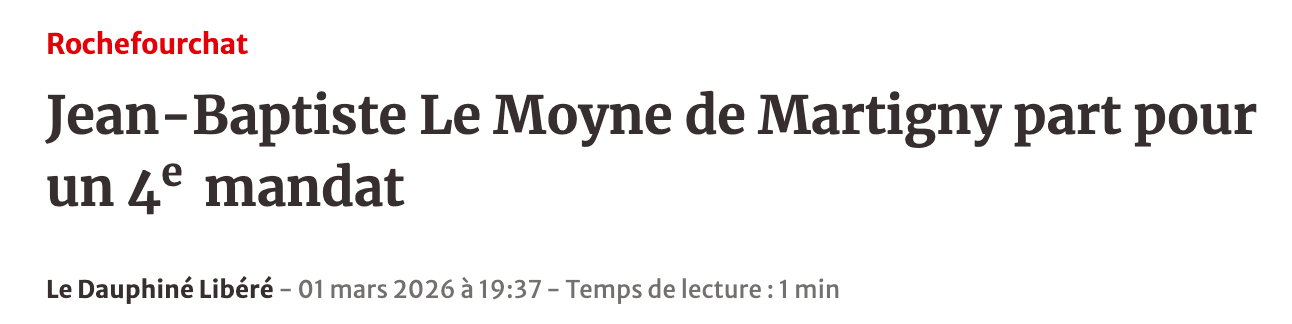
In March, Jean-Baptiste ran for a fourth term in office. As the sole candidate, he scored another resounding victory for expense claims.
The annual budget in Rochefourchat is €16,000. Bearing in mind only one person lives there, it seems like a lot. Half of that money goes directly into a “Community of Communes” fund. A local collective fund of small communes in the area. The Community of Communes in this case is known as Pays Diois. It is headed by Alain Matheron, another elected official from the town of Lus-la-Croix-Haute, which has a staggering 500 residents. They maintain a rather good website which explains their role, paysdiois.fr (to access it you need to ignore the warnings because they haven’t paid for a secure URL – not enough in le budget – it does work though).
And yes, I am mocking them, but this is in fact what Universal Basic Income is. There are millions of people across (particularly the West) doing nothing. Just a whole pretend thing of getting elected to some village council so you get free trips down South. Say hi to Josette, then allocate some money to another ‘Collective’ that divvies it up amongst the locals and who cares? France has 35,000 of these rackets!
Charles de Gaulle called it back in the 1950s. “How can you govern a country which has 246 varieties of cheese?”
You can’t. They don’t. And it will keep going until it falls over completely.
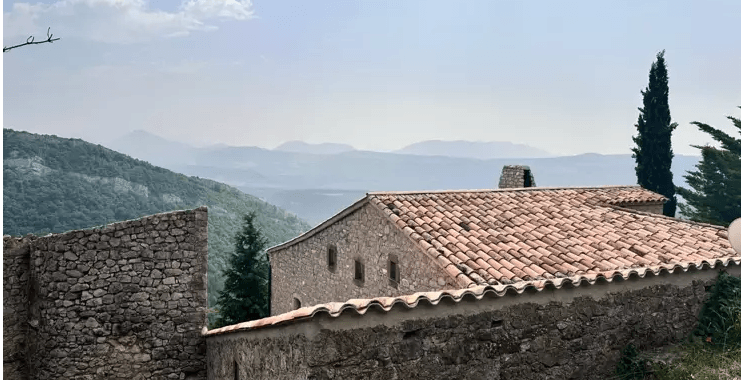
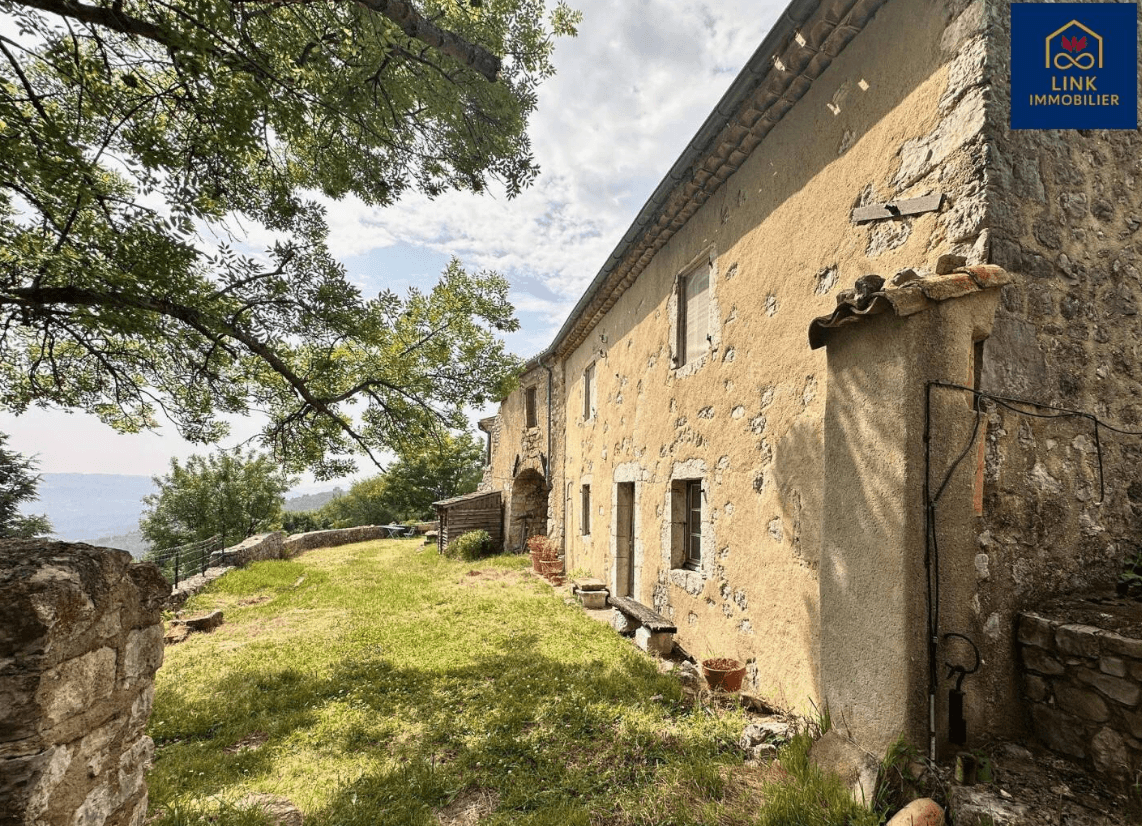
All told though, since they don’t care, we don’t care and are still interested in living there. How much is property? I hear you ask. Well, I found one about a 10 minute drive away from Jean Baptiste’s place. The photo doesn’t really do it justice, but four bedrooms and 250 hectares of land. €724,000 (A$1.2m). The view is stunning, and we are talking 100% authentic South of France.
Don’t forget to budget for local municipal taxes though, Jean-Baptiste needs his free train ride.