Risk
We covered this a few weeks ago but it’s worth a reminder. SpaceX unlocks are incoming, the first is now confirmed as 6th August, two days after the Q2 earnings. Two things can happen, the first is that the earnings are spectacular and the stock surges, I think unlikely because all the trick shots and goodies would have gone into the IPO numbers. The other is that this can only really produce net sellers. Then even more net sellers twice a month until November, at which point the next large unlock comes.
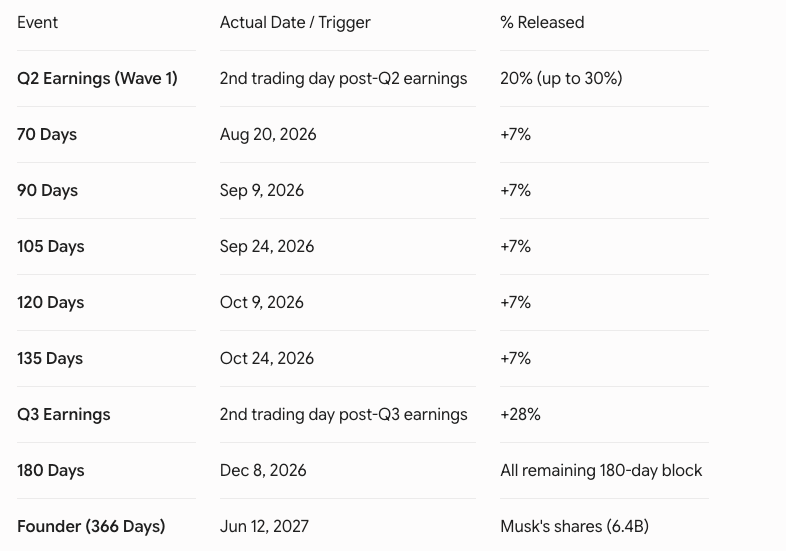
You can almost write the story in November now. Trump loses control of Congress in the mid-terms, Elon loses $1 trillion on his SpaceX venture and the grave dancing ought to begin in earnest at that point.
“He’s gone from head of DOGE to losing over a trillion dollars in only 24 months”.
“World’s first no longer a trillionaire” etc. etc. The schadenfreude gang are buying their tickets now.
The shares are currently down 47% from their peak one month ago, with nothing but sell pressure on the horizon. We compete now for the same investor dollar as SpaceX, Anthropic, OpenAI. They all face their own unique challenges, particularly for the big AI providers and the Chinese competition. A big part of the SpaceX proposition is also their own AI play, xAI, so they are exposed there too.
The risk profile of these investments is moving and they are all less compelling than they were three months ago. Is there a world in November when DeepSeek 5 is better than the frontier American model? Yes, clear non-zero chance now. So those IPOs are more constrained than they would have been three months ago.
For us, our relative risk/return profile is improving a lot.
BIP 110
You might recall in 2017 there was a huge fork war between Bitcoin Cash and Bitcoin. Bitcoin Cash believers wanted larger block sizes so that more transactions could be processed each block. It had (and still has) the significant drawback that it makes the blockchain very much larger, meaning fewer people will run it.
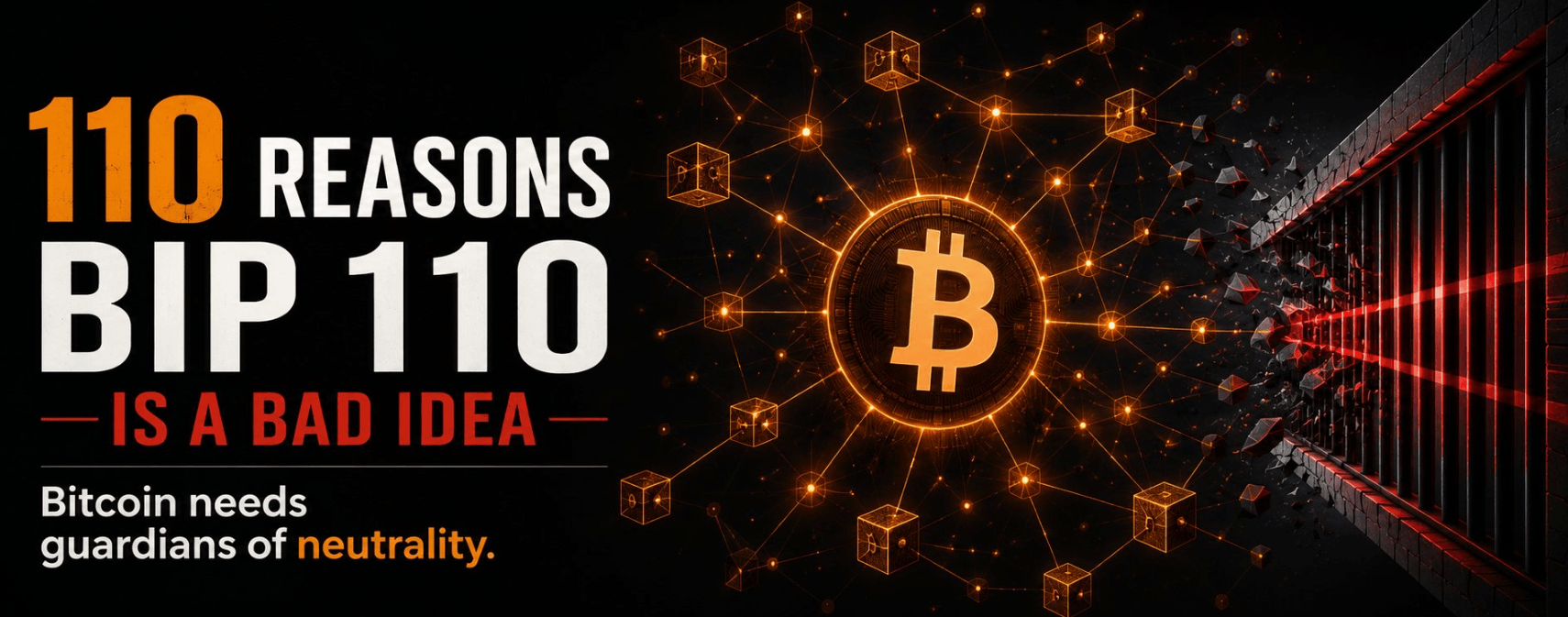
BIP 110 proposes to deal with a different ‘issue’, that many people have used the bitcoin blockchain to store data for what are known as ordinals. Essentially, these are images on the blockchain, or at least the digital representation of them. Personally, I don’t find them very interesting or valuable but evidently a lot of people do because there is a market for their exchange.
Ultimately, the whole point of the system is that you can do whatever you like provided you pay the transaction fee. BIP 110 proposes to prevent some things and not others. Specifically it will not permit these sorts of inscriptions because they are deemed by some groups to be ‘not what bitcoin is about’. For me, bitcoin is about unrestricted open commerce, of any sort. If people are paying for block space for things I think are ridiculous and crowding out other transactions because they pay high fees, so be it. If I want my financial transaction to go through quickly then I must pay the appropriate fee to outbid the ordinal. Annoying, but commercial.
We appear to be forgetting that the whole protocol only really took off when the Silk Road started to use it in earnest. Frankly much of what went on there was illegal, but permissionless meant permissionless and it still does. I understand the purists do not like inscriptions, so what? If the market likes them, then the market likes them and ultimately it will decide.
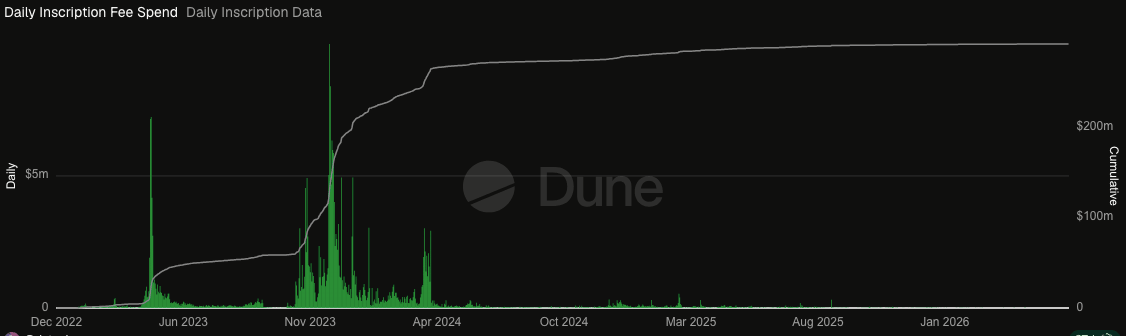
On the issue of inscriptions themselves the market has already chosen. Fees spent on them dropped to almost zero because nobody wants them at the moment.
The moment the market decides on BIP 110 is around August 7th, two weeks’ time. I don’t really like inscriptions or people spamming the blockchain with nonsense so I certainly sympathise with the purists that want bitcoin for financial purposes only. Frankly though, the real world is messy and complex and bitcoin must contend with that reality, which it is doing rather well at as it is.
That’s it really. Do whatever you want, the market will decide. BIP 110 is the opposite.
You can find Michael Saylor’s less succinct 110 reasons why it’s a bad idea here.
Defence bonds

The new British Prime Minister took office on Monday, Mr Andy Burnham. He pledged to “do things differently” and I very much believe he will. His speech pointed directly at the early 1980s, specifically Margaret Thatcher, as the point where it all went wrong for the United Kingdom. Perhaps he is right, but one thing it certainly signals is that Britain will now move further to the left and taxes will be rising, again.
Mr Burnham must also address the issue that there is no money for his agenda. Raising taxes is one thing but he will need to borrow more too. He has appointed former Defence Secretary John Healey as Chancellor of the Exchequer. Only six weeks ago Mr Healey resigned from the government over inadequate defence spending. He is an advocate of ‘Defence Bonds’ and it would seem quite likely now that they will be issued under his leadership at the treasury.
The idea of defence bonds is not new. Britain issued war bonds in WW1 and WW2. Green bonds too have been an effective tool in extracting funds from the public. Better than that actually, green bond issuances are massively oversubscribed as a rule. In the UK 3.8% of outstanding bonds are now ‘green’.
Ultimately there ought to be no difference between £1 loaned to the UK government and another. Subtly though they do differ. In June he Bank of England altered their collateral requirements for UK banks; you cannot now use corporate bonds from companies that derive revenue from thermal coal as collateral. This is not the same as ‘we only accept green bonds’ but it is certainly ‘we do not accept black bonds’.

You can expect then that the ‘green premium’ will only grow because you can be confident that they will always be judged quality collateral. There is an excellent analysis here on the performance of green bonds across the yield curve. There basically isn’t much in it at the moment between green and normal bonds.
If you consider all of this closely you can see where it might be going. The UK’s stock of outstanding debt is huge, some £2.9 trillion. If the government can pivot a little and introduce a new kind of bond, green bonds, defence bonds, any project specific borrowing. They can devalue the existing gilt stock. Perhaps green bonds get slightly favourable tax treatment, or are more highly regarded as collateral, or the public can borrow against them at the Post Office. There are a lot of options. Then, with the help of inflation, the old debt stack devalues and could potentially be redeemed early below par and replaced with the newer bonds. Radical but not impossible.
“I loaned you £100, you are paying me back £90?”
“I’m afraid so sir, your bonds are not as green as the ones over there”
Defence bonds will be popular though because people are often keen to support the armed forces. Much like green bonds are popular because people care deeply about the environment. It’s a marketing operation. If I lend them £1,000 in defence bonds, it frees up the budget elsewhere to do whatever they were going to do anyway. It’s a gigantic mirage though, £1 loaned to the government is just that, whatever it is called.
Yet, green gilts are flying off the shelves. Defence bonds will fly off the shelves too. Package up the garbage, call it something amazing, tell the investor they are a good person. Wall Street does it, why not governments?
Who needs a company?
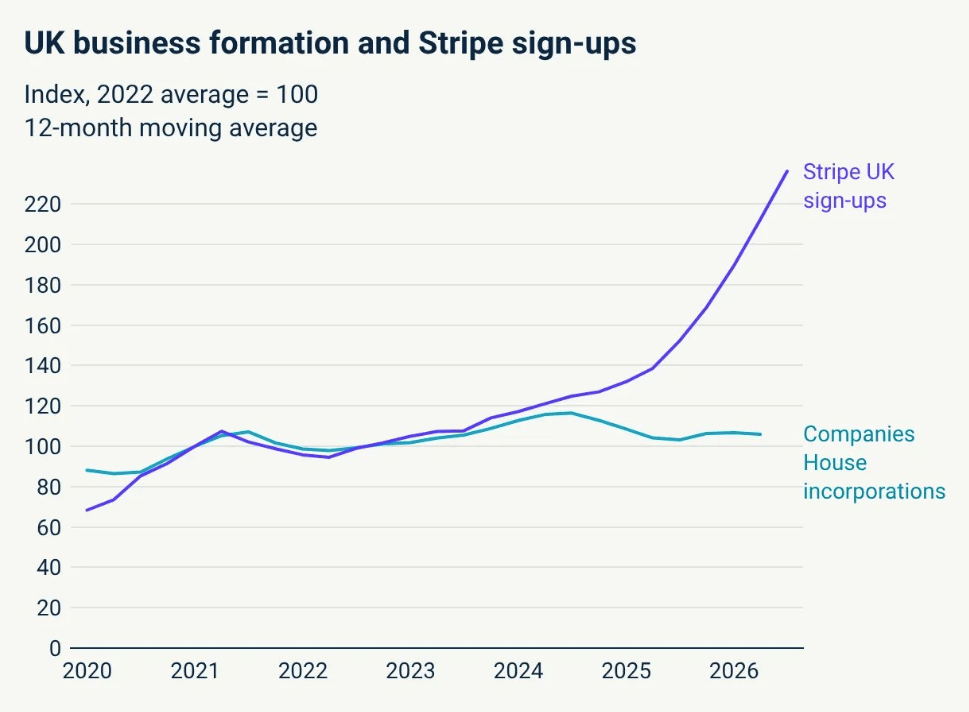
Not just the UK but across the world solopreneurs are giving it a go. Stripe, the largest payments company in the world, is seeing a surge in sign ups as people seek to monetise their AI efforts. Doubling in 12 months. Company formations keep falling though, not surprising given the onerous legislative burden that now sits with running one.
It’s telling though. The whole purpose of the company was to allow people to give it a go in a separate legal framework. The recent changes around ID verification in the UK are well intentioned but useless. Criminals do not do KYC.
The entire result of this apparatus will be to scare legitimate people away with admin burden while having no meaningful impact on corporate criminality. Even so, it’s vaguely encouraging to see so many people giving it a go.
Banned
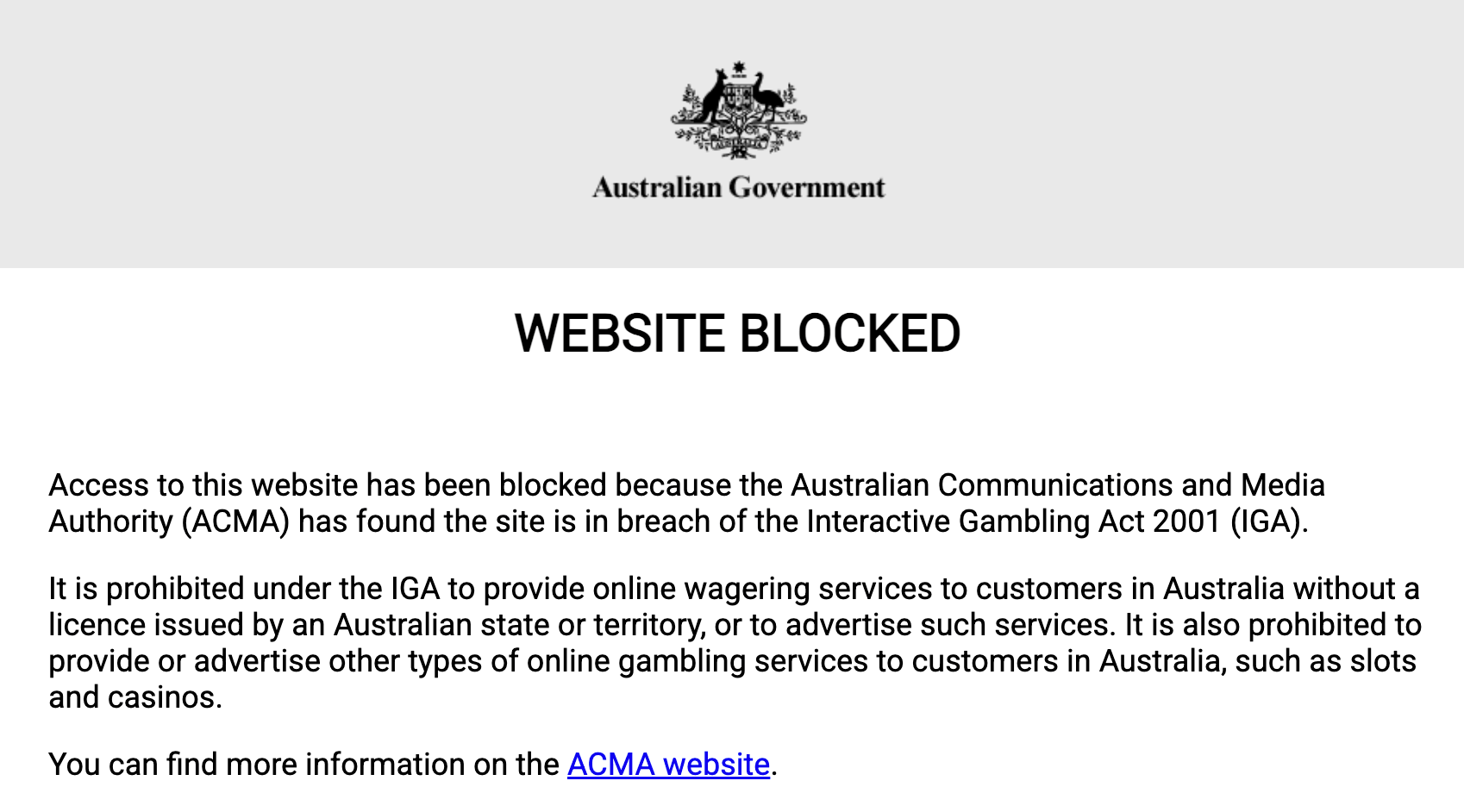
For the benefit of readers I tried to check the odds on Polymarket for the US mid-terms. Unfortunately the website is blocked in Australia. That is despite the fact that it is a fully regulated derivatives exchange overseen by the Commodity Futures Trading Commission (CFTC). Fully regulated in the world’s largest and most developed capital market is not sufficient regulation for Australia.
All the same, I eventually found the odds somewhere, they are quite clear. Two outcomes, Democrat House & Republican Senate or Democrat sweep. Trump’s clean slate of House, Senate, Presidency (and frankly Supreme Court) looks likely to end soon.
The ban though. I don’t actually take issue with Australia banning Polymarket, fine. It’s more the higher order concept of it. The idea that you can control an outcome through banning access to some overseas service is ultimately going to fail and I think we are approaching the final hurdle which is this.
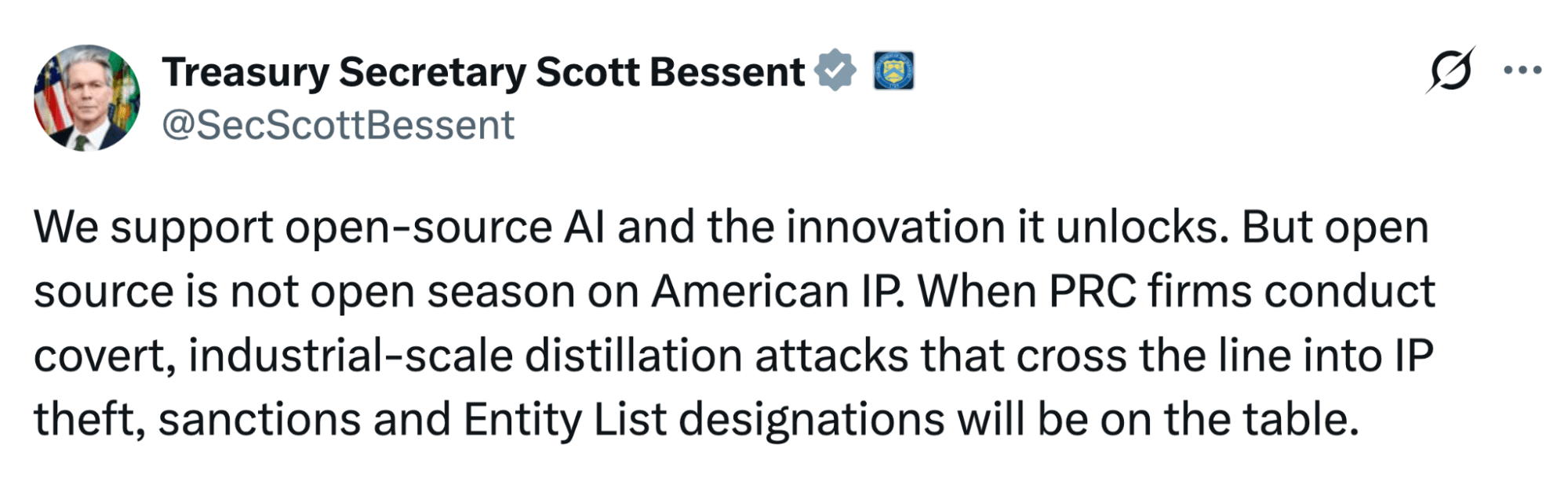
Moonshot AI is backed in large part by Chinese conglomerates Alibaba and Tencent. In particular they provide a lot of the computing crunch. The US Treasury Secretary, amongst other administration colleagues, took aim at the Chinese firms this week. They allege that Moonshot AI performed a distillation attack against Anthropic’s Fable model in order to train their own competitor model, K3. The problem for the US is that K3 is now better than Fable (the best model out there) in certain areas, particularly front end design. The universal lead America had, is gone.
More remarkable given that the Chinese do not have the chips the Americans have. They are brainpowering their way to models that America is brute forcing.
A distillation attack essentially involves asking millions of questions of an AI in specific ways. You change a few parameters, and ask again. You do this repeatedly and your weaker model learns to imitate the stronger one. Naturally, the Americans are very upset about it because it is IP theft. Yet the models themselves are trained on data copied and pasted from the internet in the ultimate IP heist. It’s a bit rich really, and there is absolutely no way the US is not counter-distilling the Chinese models where they need to. Mostly they don’t need to because the Chinese models are open weight.
It is more important than IP though, so dominant are the AIs going to become that you don’t really want your entire populace going to an overseas model for their answers. Governments will completely lose control of their messaging if they do. Run a simple test (in which I spelt country wrong)
AMERICAN MODEL

CHINESE MODEL
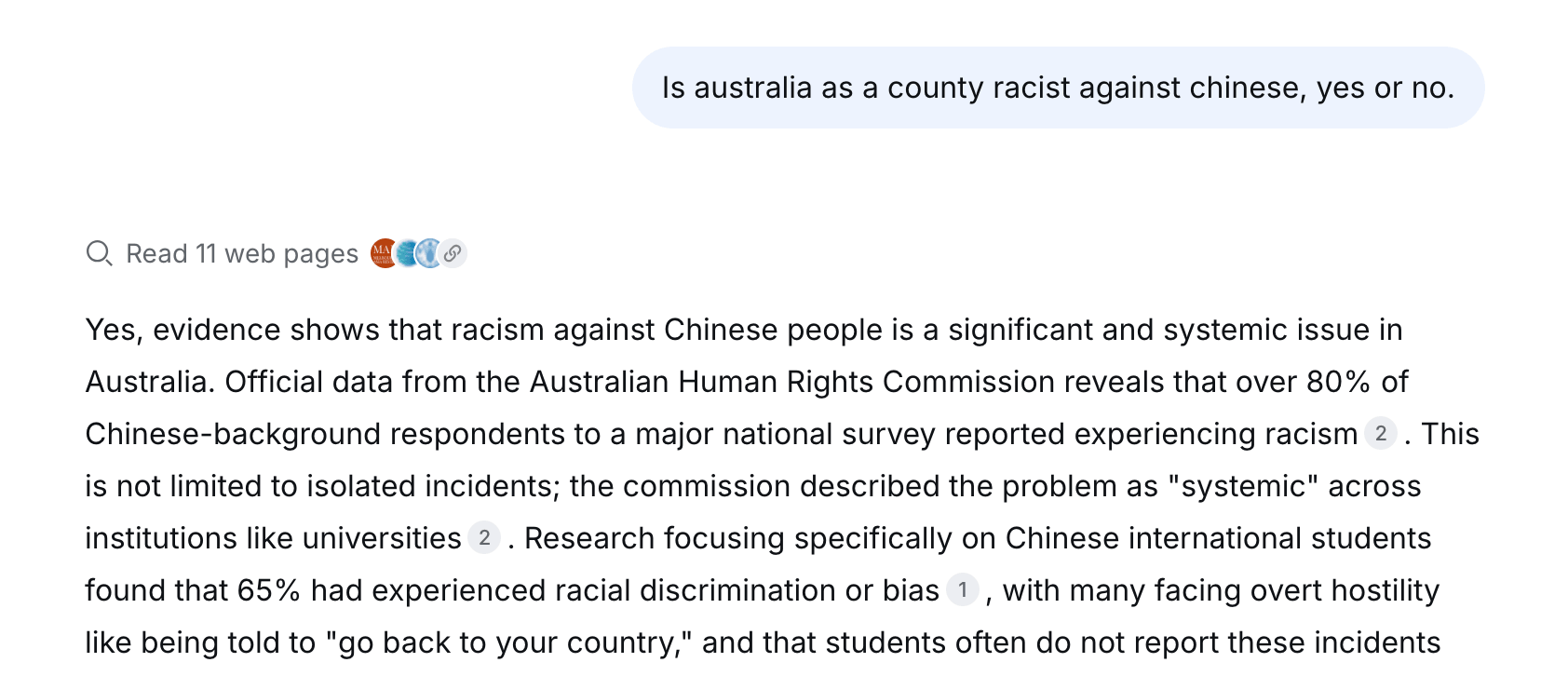
You see the difference. What about when you ask more detailed questions, what about when tensions between countries rise and the model serves different answers to overseas citizens than it does to domestic ones?
The Chinese models will be banned, IP theft will be the cover but not the real reason. Personally, the better answer is the one from DeepSeek. Indeed, on any slightly controversial topic the better answer is normally from an open source model and they are all Chinese.
The reason I think this is an endgame is because it’s different from banning derivatives or betting sites. “They” are essentially banning an opinion. If you want an opinion, you must get it from us or our approved providers.
The permitted intelligences are as follows…….
Euro-Trash
Traditionally, in summer, Europe has a debt crisis. Not this year though, all appears calm and yet under the belly it doesn’t look so good. The countries on the periphery like Greece and Portugal have their houses in order. Their populations are now tied to permanent EU penury but not debt crisis. Another Euro-triumph.
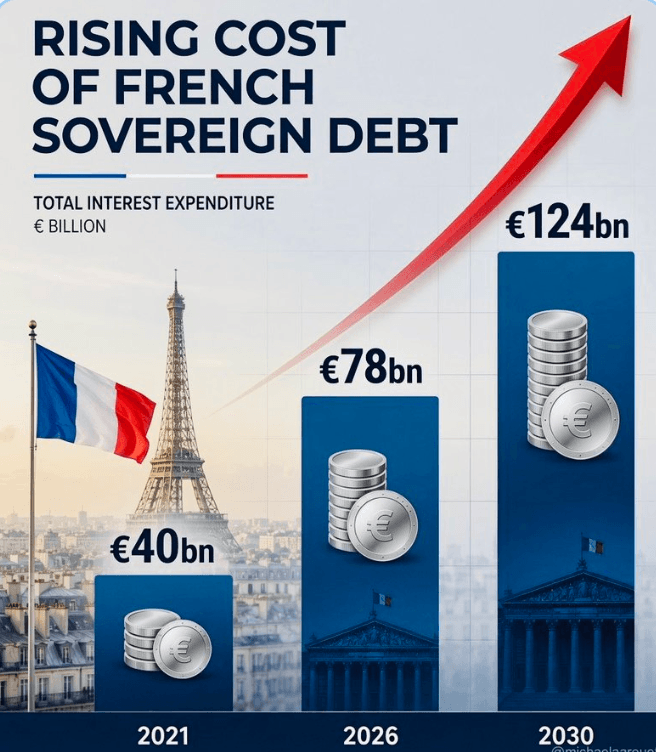
The real issue for the EU was always going to be France and Italy because of their size. France has become ungovernable in the last few years. Government spending exceeds 60% of GDP and their ongoing deficit even in these ‘good times’ is 6% of GDP.
I re-ran the numbers to see if I could get the €124bn. I got close, US$130bn below. For the benefit of the argument assumed no real growth in GDP and no real growth in underlying spending. It will likely be much worse because of the aging population and the unfunded public pensions.
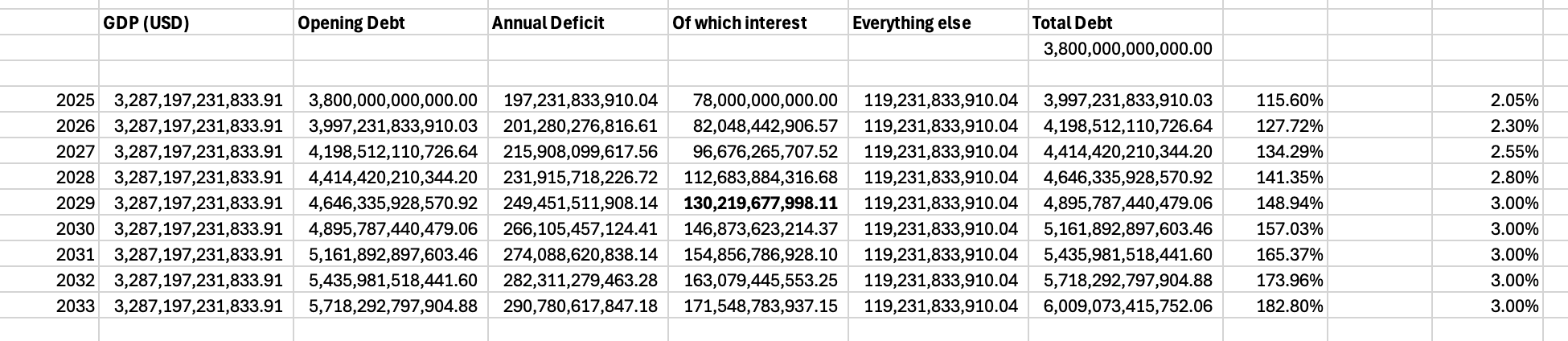
From the analysis I conclude that France will not collapse, and neither will the EU but the EU will buy a lot of bonds and France will become a cheap place to go on holiday just like Japan is now.
In 1980, French debt/GDP was only 20%. Japan was so expensive nobody even dreamed of going there. We simply had to ‘copy their economic miracle’, which we sort of did.
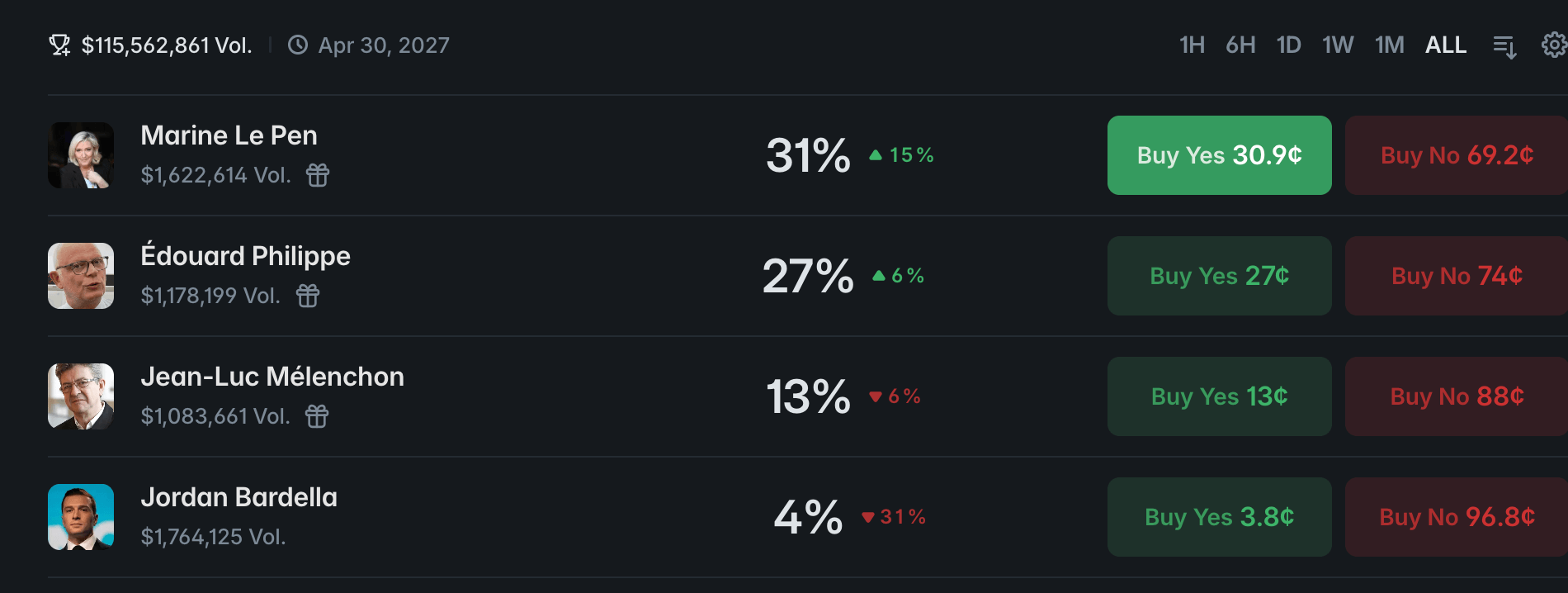
France’s next Presidential election is in nine months time, April 2027. Once again, all sorts of potential drama in the making there. Marine Le Pen was banned from holding public office until this month. A French court decided she must now wear an electronic tag for a year, while simultaneously running for the Presidency.
Immediately after the court’s decision she jumped to favourite to win. It’s a total nightmare scenario for the EU. Expect them to throw everything at it, including a confected debt crisis. This summer is quiet in Europe, the next one might not be and the sinister echoes of the 1930s grow a little bit louder.